Source lightweight aluminum folding wheelchair for Travel, Home, and Care
Explore 30 listings for the lightweight aluminum folding wheelchair designed for travel, home mobility, and care settings. Buyers can compare specifications like weight capacity, battery range, and folding mechanisms across multiple suppliers to find the right fit.
Key considerations
Products List




Comprehensive Sourcing Guide
Strategic Sourcing Guide for Lightweight Aluminum Folding Wheelchairs
Defining the Technical Profile and Material Specifications
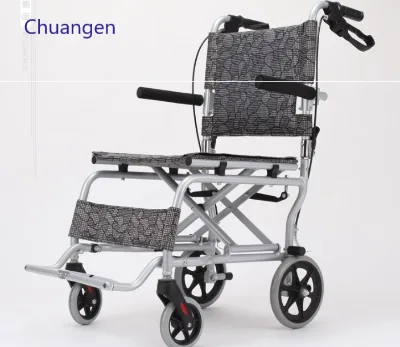
When sourcing a lightweight aluminum folding wheelchair, the primary objective is to balance portability with structural integrity. The market offers products where the frame material is explicitly identified as aluminum or aluminum alloy, a critical factor for reducing overall weight while maintaining the necessary load-bearing capacity. Buyers must verify that the specific model they are evaluating utilizes high-grade aluminum alloys rather than generic steel, as the latter significantly increases weight and compromises the "lightweight" designation essential for this category. The folding mechanism is another non-negotiable technical attribute; the product must feature a folding design that allows for compact storage and transport, a requirement often highlighted in product descriptions as "Folding" or "Tilted" configurations depending on the specific user need.
The structural dimensions of the wheelchair are paramount for user comfort and fit. Specifications often vary based on the intended user's size, with seat dimensions typically ranging across various widths such as 12", 14", 18", 20", and 22". Depth and height are equally critical, with seat depths observed in the range of 41cm to 84cm and heights varying between 52cm and 68cm. A buyer must ensure the selected unit matches the user's anthropometric data to prevent pressure sores or improper posture. Furthermore, the wheel configuration is a key differentiator. While some models feature standard wheel sizes, others offer a broader selection of rear wheels ranging from 12" to 24" and front wheels typically sized at 8" with varying tire widths like 1" or 2" PU tires. The choice of wheel size directly impacts maneuverability and the ability to traverse different terrains.
Compliance, Certification, and Safety Standards
In the medical and assistive device sector, compliance is not merely a formality but a fundamental requirement for safety and market access. When evaluating potential suppliers, buyers must scrutinize the certification documentation provided. Trusted sources often list a combination of international and regional certifications, including CE, ISO, RoHS, and specific industry standards such as ISO9001. The presence of these certifications indicates that the manufacturing process adheres to quality management systems and that the product meets specific safety and environmental standards. It is essential to distinguish between general certifications and those specific to medical devices; for instance, while CE marking is common, verifying the specific directive under which it was issued is necessary for legal compliance in various markets.
Beyond general certifications, buyers should look for adherence to specific industry standards that govern the design and testing of mobility aids. Standards such as BS, ANSI, JIS, GB, GOST, ASTM, and DIN provide a framework for testing structural strength, stability, and durability. A supplier claiming compliance with these standards should be able to provide test reports or documentation linking their specific product model to these benchmarks. The absence of such documentation or a vague reference to "standards" without specific codes is a red flag. Additionally, environmental compliance is increasingly important; certifications like RoHS ensure that the materials used, including the aluminum alloy and any coatings, do not contain hazardous substances. Buyers must verify that the supplier's claims regarding these certifications are current and applicable to the specific batch of goods being procured.
Cost Drivers and Pricing Structure Analysis
The pricing of lightweight aluminum folding wheelchairs is influenced by a complex interplay of material costs, manufacturing complexity, and customization requirements. The base cost is heavily driven by the price of aluminum alloy, which fluctuates based on global market conditions. However, the final price is often determined by the level of customization. Products that are "Customized" or "As Per Requested" typically command a higher price point than standard off-the-shelf models. This customization can extend to the frame finish, such as anodizing, electrophoretic coating, or powder coating, which adds processing steps and material costs. The color options, ranging from standard black, silver, and bronze to custom requests, also impact the final cost.
Another significant cost driver is the powertrain and battery configuration. While many lightweight wheelchairs are manual, electric variants introduce substantial cost variables. The motor power, ranging from 180W to 300W, and the battery capacity, which can vary from 6Ah to 20Ah, directly influence the price. Models with higher capacity batteries and more powerful motors, offering extended ranges of 10km to 35km, will naturally be priced higher than basic manual or low-power electric models. The weight capacity is another factor; units designed to support higher loads, such as 100kg or 180kg, may require reinforced frames and heavier-duty components, affecting the price. Buyers should expect a wide price range, observed in the market from approximately $19.9 to $1029, depending on these variables. It is crucial to understand that the lowest price often correlates with basic specifications, while higher prices reflect advanced features, higher weight capacities, and extensive customization.
Typical Applications and User Scenarios
The versatility of lightweight aluminum folding wheelchairs makes them suitable for a diverse range of applications, from daily personal mobility to specialized medical environments. In domestic settings, the folding capability is a primary advantage, allowing users to easily store the wheelchair in the trunk of a car or in small living spaces. This portability is essential for users who travel frequently or require a wheelchair that can be quickly deployed and stowed. The aluminum construction ensures that the device is light enough for caregivers to lift and maneuver without excessive strain, making it ideal for home use where space is often limited.
In professional and institutional settings, such as hospitals, rehabilitation centers, and nursing homes, the durability and ease of cleaning are critical. The use of aluminum alloy frames, often finished with powder coating or anodization, provides resistance to corrosion and wear, which is vital in high-traffic medical environments. The availability of different seat sizes and configurations, including options for leg rests that are either across both sides or separate, allows these wheelchairs to be tailored to specific patient needs. For instance, models with fixed or flip-up armrests and footrests offer flexibility for patients who require assistance with transfers or those who need to be positioned in specific ways for therapy. The electric variants, with their extended range and motorized assistance, are particularly suited for users with limited upper body strength who need to navigate larger facilities or outdoor paths.
Supplier Evaluation and Quality Assurance Protocols
Selecting a reliable supplier for lightweight aluminum folding wheelchairs requires a rigorous evaluation process that goes beyond price comparison. Buyers should prioritize suppliers who demonstrate a commitment to quality through their production standards and certifications. A supplier claiming to be a "China Top 10 Assured Quality Supplier" or offering a "100% Responsible for Quality" promise should be vetted for the validity of these claims. This involves requesting detailed documentation of their quality control processes, including in-process inspections and final product testing. The origin of the product, often listed as Guangdong or China, should be verified to ensure that the manufacturing facility meets international safety and labor standards.
Quality assurance also extends to the packaging and shipping process. Proper packaging, such as the use of plastic film and kraft paper or sturdy cartons, is essential to prevent damage during transit. Buyers should verify that the supplier uses packaging that protects the folding mechanisms and delicate components like wheels and motors. Furthermore, the supplier's ability to handle customization requests is a key indicator of their operational flexibility. A supplier that can accommodate specific requests for size, color, and finish while maintaining consistent quality is more likely to meet the unique needs of the buyer. It is also important to assess the supplier's track record regarding lead times and order fulfillment, although specific numerical values should be confirmed directly with the supplier rather than assumed from general market data.
Long-Term Procurement and Maintenance Considerations
When engaging in long-term procurement of lightweight aluminum folding wheelchairs, buyers must consider the total cost of ownership, which includes maintenance, spare parts availability, and the lifespan of the product. The choice of materials and finishes plays a significant role in longevity. Aluminum alloy frames, when properly anodized or powder-coated, offer excellent resistance to corrosion and wear, ensuring a longer service life. However, the moving parts, such as the folding hinges and wheel bearings, require regular maintenance to function smoothly. Buyers should ensure that the supplier provides a clear maintenance schedule and has a reliable supply chain for replacement parts like tires, batteries, and motors.
The warranty and after-sales support are also critical factors in long-term procurement. A supplier that stands behind their product with a robust warranty policy demonstrates confidence in their manufacturing quality. Buyers should clarify the terms of the warranty, including what is covered and the process for claiming repairs or replacements. Additionally, the availability of technical support for troubleshooting issues with electric components, such as motor failures or battery degradation, is essential. For organizations procuring in bulk, establishing a relationship with a supplier that offers consistent quality and reliable support can significantly reduce operational disruptions. Finally, buyers should consider the environmental impact of the product, looking for suppliers who adhere to sustainable manufacturing practices and use recyclable materials where possible, aligning with broader corporate sustainability goals.
FAQs
What certifications do lightweight aluminum folding wheelchairs have?
These products typically hold CE, ISO, and RoHS certifications. Some models also feature ISO9001, Aama, AS, DIN, and GB certificates to ensure compliance with international safety and quality standards.
Which material is used for the frame of these wheelchairs?
The frames are constructed from aluminum or aluminum alloy to ensure a lightweight design. This material choice balances portability with the structural integrity required for safe daily use.
Can buyers request custom sizes and colors for these units?
Yes, customization is available for size, color, and finish. Buyers can request specific dimensions, colors like black or silver, and finishes such as anodized or powder coating based on their needs.
What is the weight capacity for electric wheelchair models?
Weight capacities vary by model, with some supporting up to 100kg and others up to 180kg. Buyers should verify the specific capacity listed for the chosen model to ensure user safety.
How are these wheelchairs packaged for shipping?
Products are packed using plastic film and kraft paper or sturdy cartons. This packaging protects the folding mechanisms and components during transit to prevent damage before delivery.
What motor and battery options are available for electric versions?
Electric models feature motors ranging from 180W to 300W with battery capacities from 6Ah to 20Ah. These configurations offer travel ranges between 10km and 35km depending on the specific setup.
Where are these lightweight aluminum wheelchairs manufactured?
The products originate from Guangdong, China. This location is a known hub for manufacturing mobility aids and metal processing machinery parts.